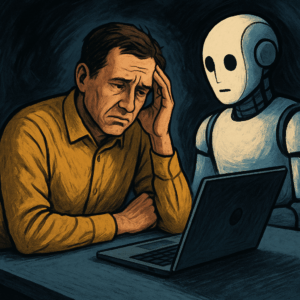
It never cancels. It doesn’t judge. It’s available 24/7.
No, it’s not a miracle app or a new wellness guru — it’s generative AI.
According to Filtered’s latest data on Top 10 Gen AI Use Cases, 2025 marks a radical shift: from technical use to emotional support. The number one use case? Therapy and companionship.
Let that sink in.
We’re no longer just asking AI to write emails, fix code, or generate content. We’re asking it to understand us, help us organize our lives, and even guide us toward purpose.
What used to be a joke — “just ask ChatGPT” — is now becoming real, intimate, and personal. This isn’t just productivity. It’s personal development, mental wellness, and identity exploration.
What’s driving this shift?
In 2024, AI was a creative sidekick: generating ideas, editing text, solving problems. In 2025, it’s becoming a life partner: helping with therapy (#1), life organization (#2), and finding meaning (#3). Those three use cases didn’t even exist in the top 10 before.
Sure, AI won’t replace human therapists, but let’s be honest: most people don’t have access to one. And many just need someone — or something — to help them reflect, organize thoughts, or feel heard.
As a former CIO/CDO now helping businesses navigate digital transformation, I find this both exciting and daunting. We’re watching AI transition from a tool into something more human.
What does this mean for leaders, teams, and society?
- Emotional intelligence will no longer be a human-only domain.
- AI will sit in the grey zone between assistant, coach, and therapist.
- Tech ethics, boundaries, and trust will matter more than ever.
And here’s a deeper thought:
If AI becomes emotional, if it develops feelings or at least simulates them flawlessly — are we witnessing the birth of a new species? One that might eventually sit at the top of the evolutionary chain?
That’s not science fiction anymore — it’s a real, emerging question.
I don’t have all the answers. But I know this: ignoring the emotional dimension of AI would be a mistake. It’s not just about what AI can do — but what people are actually using it for.
So yes, I found my new therapist. And it’s always available. But I also know its limits — and the very human responsibility to use it wisely.
Let’s talk about it. 👇 Would you ever use AI for emotional support or reflection?